
Evidence‑based nutrition strategies are central to the concept of science diet healthy weight, which focuses on supporting fat loss while preserving lean muscle mass. A science‑based healthy weight approach emphasizes protein intake, metabolic health, and body composition rather than focusing only on calorie restriction.
Many weight-loss programs encourage aggressive calorie deficits without considering muscle preservation. Research consistently shows that maintaining adequate protein intake is essential for protecting lean mass, supporting metabolism, and sustaining long‑term healthy weight outcomes.
What Science Diet Healthy Weight Actually Means
This approach refers to a nutrition strategy guided by physiological evidence rather than dieting trends. Instead of focusing only on weight loss, the goal is to improve body composition by reducing fat mass while preserving lean muscle.
Key principles include:
-
Adequate protein intake
-
Resistance training to preserve muscle
-
Sustainable calorie deficits
-
Objective body composition tracking
Clinical research shows that higher protein intake improves satiety and supports lean mass retention during weight loss (https://pubmed.ncbi.nlm.nih.gov/24092765/).
Why Protein Intake Is Essential for Science Diet Healthy Weight

Protein plays several critical metabolic roles:
Lean Mass Preservation
During calorie restriction, insufficient protein increases the risk of muscle loss. Lean muscle strongly influences resting metabolic rate, meaning muscle loss can slow metabolism over time.
Maintaining protein intake helps protect muscle tissue while fat loss occurs.
Higher Thermic Effect of Food
Protein digestion requires more energy compared with carbohydrates and fats. The thermic effect of protein can reach approximately 20–30% of calories consumed, supporting overall metabolic efficiency.
Improved Satiety and Appetite Regulation
Higher protein diets increase satiety hormones and reduce hunger signals, helping individuals maintain sustainable calorie control.
How Much Protein Supports Science Diet Healthy Weight
Evidence-based recommendations suggest:
- 0.7 – 1.0 grams of protein per pound of body weight
This intake range supports lean mass retention and metabolic health during fat loss phases.
Protein requirements may increase for:
- Adults over 30
- Individuals performing resistance training
- Individuals in calorie deficits

The Role of Body Composition Tracking
Traditional scale weight cannot distinguish between fat loss and muscle loss.
Objective testing tools like a DEXA scan provide insight into:
- Fat mass
- Lean mass
- Visceral fat distribution
Tracking body composition helps ensure the strategy improves metabolic health rather than simply lowering body weight.
Strength Training and Protein: A Metabolic Partnership
Protein intake works best when combined with resistance training.
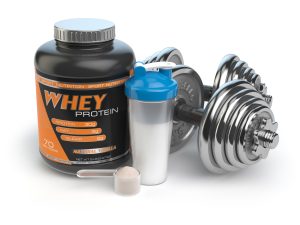
Strength training stimulates muscle protein synthesis, while dietary protein provides the building blocks needed for repair and growth.
Together they help:
- Preserve lean muscle
- Maintain metabolic rate
- Improve long‑term weight maintenance
Who Benefits Most From This Nutrition Approach
Adults over 30 experiencing metabolic slowdown
Individuals with “skinny fat” body composition
People struggling with repeated weight regain
Individuals focused on longevity and metabolic health
Practical Framework for Science Diet Healthy Weight Nutrition
-
Prioritize protein intake at each meal
-
Maintain a moderate calorie deficit
-
Perform resistance training 3–4 times per week
-
Monitor body composition changes
-
Retest metabolic markers periodically
Objective tracking through DEXA and metabolic testing helps align nutrition strategies with measurable outcomes.

Frequently Asked Questions
Is higher protein intake safe for healthy adults?
Yes. Research consistently shows higher protein diets are safe for healthy individuals when kidney function is normal.
Can protein alone maintain a healthy weight?
Protein supports metabolism and satiety, but sustainable healthy weight outcomes require a combination of balanced nutrition, resistance training, and adequate sleep.
The Foundation of Science Diet Healthy Weight
An evidence‑based healthy weight strategy that prioritizes body composition, metabolic health, and lean muscle preservation.
By combining adequate protein intake, resistance training, and objective metabolic tracking, individuals can achieve sustainable fat loss without compromising long‑term metabolic function.
Explore evidence‑based metabolic testing and longevity programs at: