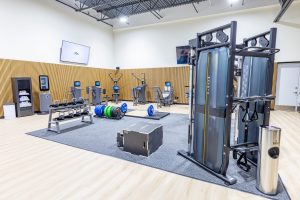
Training for functional strength becomes increasingly important after the age of 40 as natural muscle loss, reduced mobility, and metabolic slowdown begin to accelerate. A structured strength training approach helps maintain muscle mass, joint stability, metabolic health, and long‑term physical independence.
Many fitness programs focus on aesthetics or high‑intensity workouts, but functional strength training prioritizes movements that support real‑world performance such as lifting, carrying, climbing stairs, and maintaining balance.
What Training for Functional Strength Actually Means
This style of strength training focuses on exercises that mimic natural movement patterns used in everyday life. Instead of isolating single muscles, functional strength training emphasizes coordinated movement across multiple muscle groups.
Core functional movement patterns include:
-
- Squatting
- Hinging
- Pushing
- Pulling
- Carrying
- Rotational movement
These patterns train the body to move efficiently while improving stability, coordination, and resilience.
Why Functional Strength Matters After 40
Starting in the fourth decade of life, muscle mass declines approximately 3–8% per decade without resistance training. This process, known as sarcopenia, contributes to metabolic slowdown and reduced mobility.
Research published by the American College of Sports Medicine highlights resistance training as one of the most effective strategies for preserving muscle mass and physical function across the lifespan.
Maintaining muscle mass directly supports metabolic rate, insulin sensitivity, and injury prevention.

Key Benefits of Functional Strength Training
Preserves Lean Muscle Mass
Muscle tissue plays a major role in daily energy expenditure. Functional strength training stimulates muscle protein synthesis, helping protect lean mass as the body ages.
Improves Balance and Stability
Functional exercises strengthen stabilizing muscles that support joints and improve balance. This reduces the risk of falls and injuries later in life.
Supports Metabolic Health
Resistance training improves glucose uptake by muscle tissue and supports insulin sensitivity. According to research indexed in PubMed, strength training can improve metabolic markers even without significant weight loss.
The Most Important Functional Strength Exercises
Squats
Squats strengthen the hips, glutes, and quadriceps while improving lower‑body mobility.

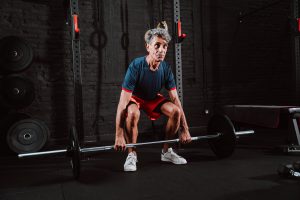
Deadlifts
Deadlifts train the posterior chain and reinforce safe lifting mechanics used in daily life.
Push Movements
Exercises like push‑ups and presses strengthen the chest, shoulders, and triceps.

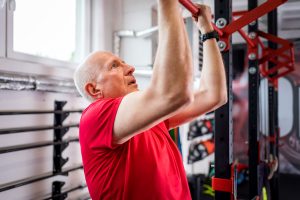
Pull Movements
Rows and pull‑ups strengthen the back and support posture.
Loaded Carries
Carrying weights builds grip strength, core stability, and total‑body coordination.

How Often Should You Train Functional Strength After 40?
Most adults benefit from structured strength training 3–4 times per week. Each session should prioritize compound movements and progressive overload.
A balanced program includes:
- Lower‑body strength training
- Upper‑body pushing and pulling
- Core stability work
- Mobility and recovery
The Role of Body Composition and Metabolic Testing
Functional strength training works best when combined with objective health tracking. Measuring body composition and metabolic rate helps guide training and nutrition decisions.
Tools like DEXA body composition testing help measure:
- Fat mass
- Lean muscle mass
- Visceral fat
Learn more about testing services offered by Plus10 here
Tracking these metrics ensures training programs support long‑term metabolic health rather than simply focusing on scale weight.

Who Benefits Most From Functional Strength Training?
- Adults over 40 experiencing muscle loss
- Individuals recovering from sedentary lifestyles
- People focused on longevity and metabolic health
- Professionals who want sustainable fitness
Practical Framework for Functional Strength Development
- Train with compound movements
- Progressively increase resistance over time
- Prioritize proper movement mechanics
- Maintain adequate protein intake
- Track body composition and metabolic markers
Structured programs that combine strength training with metabolic testing, the data‑driven approach used at Plus10 Life provides clearer guidance for long‑term health and performance.

Frequently Asked Questions
Is functional strength training safe after 40?
Yes. When exercises are performed with proper technique and progressive loading, functional strength training is one of the safest and most effective ways to maintain health and mobility.
Can functional strength training replace cardio?
Both play important roles. Strength training supports muscle mass and metabolism, while cardiovascular training improves VO₂ max and heart health.
Why Functional Strength Matters
Building functional strength is one of the most powerful tools for maintaining mobility, metabolic health, and independence after 40.
By focusing on real‑world movement patterns, preserving muscle mass, and tracking objective health metrics, individuals can build strength that supports longevity and everyday performance.
Explore evidence‑based metabolic and performance testing programs at: Plus10 Life